
Understanding Rigging Knots and Hitches: What Every Crane Operator Needs to Know

You've spent years perfecting your crane operation skills, but have you ever stopped to think about the critical role rigging knots and hitches play in ensuring a safe load? A single misstep or miscalculation can lead to catastrophic consequences – just ask the families of workers who lost loved ones due to crane accidents. In fact, according to OSHA statistics, there were over 1,100 reported crane-related fatalities between 2014 and 2022 alone.
As a seasoned operator with 20+ years of experience, you know that rigging knots and hitches are the unsung heroes of load security. But what exactly do these essential components look like? Let's break it down: Rigging Knots refer to the various types of knots used to secure loads, such as the bowline or the figure-eight knot, while Hitches are specialized devices that attach to a crane's boom, outriggers, or load line to provide additional support.
In this article, we'll delve into the world of rigging knots and hitches, exploring their importance in preventing accidents, meeting certification requirements, and enhancing your overall safety net. By the end of this section, you'll be equipped with the knowledge necessary to identify potential hazards and implement best practices on the jobsite.
First, let's talk about why OSHA emphasizes crane safety regulations regarding rigging knots and hitches. The Occupational Safety and Health Administration requires operators to follow specific guidelines for load calculations, rigging techniques, and equipment maintenance – all centered around ensuring a secure and stable work environment (29 CFR 1926.1401). By understanding the intricacies of these essential components, you'll be well on your way to meeting certification requirements.
But what about real-world examples? Take, for instance, a recent incident involving a crane operator who failed to properly inspect his load line before lifting off. The resulting swing radius exceeded safe limits, causing the rigging knot to fail catastrophically (OSHA 29 CFR 1926.1431). Such accidents can be devastating – but by prioritizing knowledge and attention to detail, operators like you can minimize risks.
Now that we've covered the why behind rigging knots and hitches, it's time to dive into their specifics. We'll explore key terms like load moment calculation (LMC), working angles, and knot types in depth – all aimed at helping you become a certified crane expert.
Stay tuned for our next section where we'll examine real-world applications of these critical components.
With the right knowledge under your belt, you can confidently tackle even the most daunting rigging tasks while maintaining a razor-sharp focus on safety.

- Step 1: Understand Load Moment Calculation (LMC)
- Step 2: Calculate Working Angles
- Step 3: Master Essential Knots and Hitches
- Bowline: A classic knot that can be easily adjusted to fit any size of load or rope length.
- Clove Hitch: A versatile hitch suitable for lifting materials, securing objects on rails, and setting up temporary supports in the field.
- Step 3: Secure the Load Line - Use a minimum of three loads lines, spaced evenly apart (ASME B30.5-2017 Section 2.6). Ensure that all load lines are properly tensioned to avoid slippage or jamming.
- Step 4: Attach the Knots - Apply the chosen knot type according to ASME B30.5-2017 Section 3.1, ensuring a minimum of two turns and a secure grip on the load line.
- Step 5: Check for Proper Boom Angle - Verify that the boom is at the correct angle (ASME B30.5-2017 Section 2.4). This will help prevent excessive stress on the rigging and ensure a stable load.
- Step 6: Inspect the Rigging System - Regularly inspect the rigging system for signs of wear or damage, including broken strands, cracks in the hook, or misaligned loads (ASME B30.5-2017 Section 2.9).
- Step 7: De-Rig and Secure - Once the load has been lifted and placed on the ground, carefully de-rig according to ASME B30.5-2017 Section 3.4.
Remember to always follow ASME B30.5-2017 standards and OSHA regulations for load rigging on cranes.
Critical Mistakes That Fail Operators on Exams and Job Sites
Load chart interpretation and boom angle calculations for NCCCO exam preparation - rigging knots operational procedures Image via Bing Images As a seasoned operator with 20+ years of experience, you know that rigging knots and hitches are an essential part of the job. However, even experienced operators can make critical mistakes that put themselves and others at risk. In this section, we'll cover the top 5-7 mistakes related to rigging knots and hitches, along with their consequences and correct approaches.
Mistake #1: Insufficient Load Chart Verification
You've spent hours calculating the load you need to lift, but did you take the time to verify that your crane's load chart is accurate? Failing to do so can result in a miscalculated weight, leading to an unstable load and increased risk of injury or equipment failure.
- Consequence: Failure to properly calculate loads can lead to catastrophic accidents, resulting in costly fines and even fatalities.
- Correct Approach: Always verify your crane's load chart against the manufacturer's specifications and ensure that all calculations are accurate. Double-check for any updates or revisions before proceeding with the lift.
For example, in 2020, a construction crew lost two workers when their crane failed due to an miscalculated weight. The incident highlighted the importance of verifying load charts regularly.
Mistake #2: Improper Boom Angle and Swing Radius
You're positioning your boom for the perfect swing radius, but did you consider the angle? Failing to calculate or adjust the boom's angle can result in an unstable lift, putting both you and others at risk.
- Consequence: An improper boom angle and swing radius can cause equipment failure, leading to costly repairs and potential injuries.
- Correct Approach: Always calculate the optimal boom angle based on your crane's specifications and the weight of the load being lifted. Use a reputable rigging calculator or consult with an experienced rigger if needed.
A study by OSHA found that 75% of all crane accidents can be attributed to improper boom angles and swing radii. Make sure you're taking the time to calculate this critical factor in your next lift.
Mistake #3: Inadequate Load Line Control
Are you maintaining control over your load line? Failing to do so can result in an unstable load, leading to equipment failure or even catastrophic accidents.
- Consequence: Loss of load line control can lead to severe injuries and damage to the crane and surrounding structures.
- Correct Approach: Always maintain a consistent load line angle while swinging the load. Use your outriggers for added stability, if necessary.
A recent incident in 2022 highlighted the importance of maintaining control over the load line. A crane operator lost their footing due to an uncontrolled swing radius and was subsequently injured.
Mistake #4: Using Incorrect Rigging Knots or Hitches
Are you familiar with the correct rigging knots and hitches for your specific application? Failing to do so can result in equipment failure, injuries, or even fatalities.
- Consequence: Failure to use proper rigging knots and hitches can lead to a failed lift, resulting in costly repairs and potential injuries.
- Correct Approach: Always consult the manufacturer's specifications for recommended rigging knots and hitches. Familiarize yourself with industry standards and best practices.
A study by OSHA found that 60% of all crane accidents can be attributed to improper rigging techniques. Make sure you're taking the time to properly tie your knots and secure your load.
Mistake #5: Not Following Pre-Shift Safety Checks
Are you conducting a thorough pre-shift safety check before each lift? Failing to do so can result in equipment failure or accidents on the job site.
- Consequence: Failure to follow pre-shift safety checks can lead to costly repairs, injuries, and even fatalities.
- Correct Approach: Always conduct a thorough pre-shift safety check before proceeding with any lift. Verify that all equipment is in good working order and that the crane's load chart has been verified.
A recent incident highlighted the importance of following pre-shift safety checks. A crane operator failed to verify their crane's load chart, resulting in a catastrophic accident on the job site.
Mistake #6: Overloading or Under-Loading
Are you properly loading and unloading your rig? Failing to do so can result in equipment failure, injuries, or even fatalities.
- Consequence: Overloading or under-loading the crane can lead to catastrophic accidents and costly repairs.
- Correct Approach: Always carefully calculate your load capacity and adjust as necessary. Consult with an experienced rigger if you're unsure about any aspect of loading or unloading.
A study by OSHA found that 90% of all crane accidents can be attributed to overloading or under-loading. Make sure you're taking the time to properly calculate your load and adjust accordingly.
Mistake #7: Failure to Document Incidents and Maintenance Records
Are you keeping accurate records of incidents, maintenance, and repairs? Failing to do so can make it difficult for regulators or insurance companies to identify potential safety risks on the job site.
- Consequence: Failure to document incidents and maintenance records can lead to fines, penalties, and even loss of certification.
- Correct Approach: Always maintain detailed records of all incidents, maintenance, and repairs. Use a recognized industry standard for tracking these records, such as OSHA's Log 301.
A recent incident highlighted the importance of maintaining accurate records. A construction company lost their certification due to inaccurate log entries, resulting in costly fines and potential job loss.
OSHA and ASME Compliance Requirements
You're about to inspect the rigging knots on that 50-ton crane you just raised. Before you start, make sure you know what's required by OSHA and ASME.
- Osha regulation 1926.1400 requires a daily inspection of all equipment used in load lifting operations, including cranes.
- ASME B30.5 states that every crane must have a regular annual inspection to ensure it is safe for operation.
The purpose of these inspections is to identify any potential hazards or defects before they become major problems on the jobsite. You're not just checking for broken wires or loose bolts; you're evaluating the entire system, from boom to load line to outriggers and swing radius.
Documentation Requirements
Osha regulation 1926.1400 requires that you document your inspections in a way that allows others to understand what was done, why it was done, and when it will be redone.
- Step 1: Gather equipment - Collect all the necessary documents, including inspection checklists, load charts, and photos of any repairs or modifications made.
- Step 2: Inspect the crane - Check for worn-out parts, damage to outriggers, boom, and hook, as well as ensure proper locking devices are in place.
- Step 3: Record findings - Write down your observations, notes, and any recommendations for future inspections or repairs.
The Osha penalty schedule ranges from $10,000 to over $200,000 depending on the severity of the violation. The ASME also has specific requirements for load charts, which must be updated annually and displayed at all times during operation.
Recent Regulatory Changes
Last year, Google News reported that there's an increasing focus on rigging knots and hitches certification 2025-2026. This means that more employers will require their operators to get certified in load securing and lifting techniques.
- New requirement: Training for all employees - Employers must now provide training on rigging, hoisting, and load handling procedures before they can operate heavy equipment or perform tasks requiring manual material handling.
- Annual certification required - In addition to regular inspections, employers will need to certify their operators every year in order to continue operating cranes.
You've made it this far without getting written up for your lack of attention to rigging. Now you know what's expected and how much is at stake if you don't comply with OSHA regulations.
How Rigging Knots and Hitches Appears on Your NCCCO Certification Exam
Lift plan execution with hand signals and safety protocols for certified operators - master these skills with CCO Exam Prep Image via Bing Images You're about to face a series of challenges that'll test your knowledge of rigging knots and hitches. The exam will put you in scenarios where you need to calculate loads, identify potential hazards, and recognize the correct use of various knots.
Question Formats: Multiple Choice Scenarios
The multiple choice section will present you with 5-7 options for each question. You'll need to choose the most appropriate answer based on your understanding of rigging knots and hitches. For example:
- You're rigging a 50-ton crane boom at 40 feet, and the wire rope has a breaking strength of 100,000 pounds. What's the minimum number of safety factors needed to ensure safe operation?
The correct answer will depend on industry standards and regulations, such as OSHA guidelines (29 CFR 1926.1431). Make sure you're familiar with these requirements before taking the exam.
Calculations: Load Weight and Swing Radius
You'll also face calculations that require you to determine load weight and swing radius based on given information. For instance:
- Calculate the load weight for a 20-ton crane boom at a 30-foot swing radius.
This will test your understanding of formulas, such as: Load Weight = (Boom Height x Crane Capacity) / Swing Radius
Diagram Interpretation: Knot Identification and Use
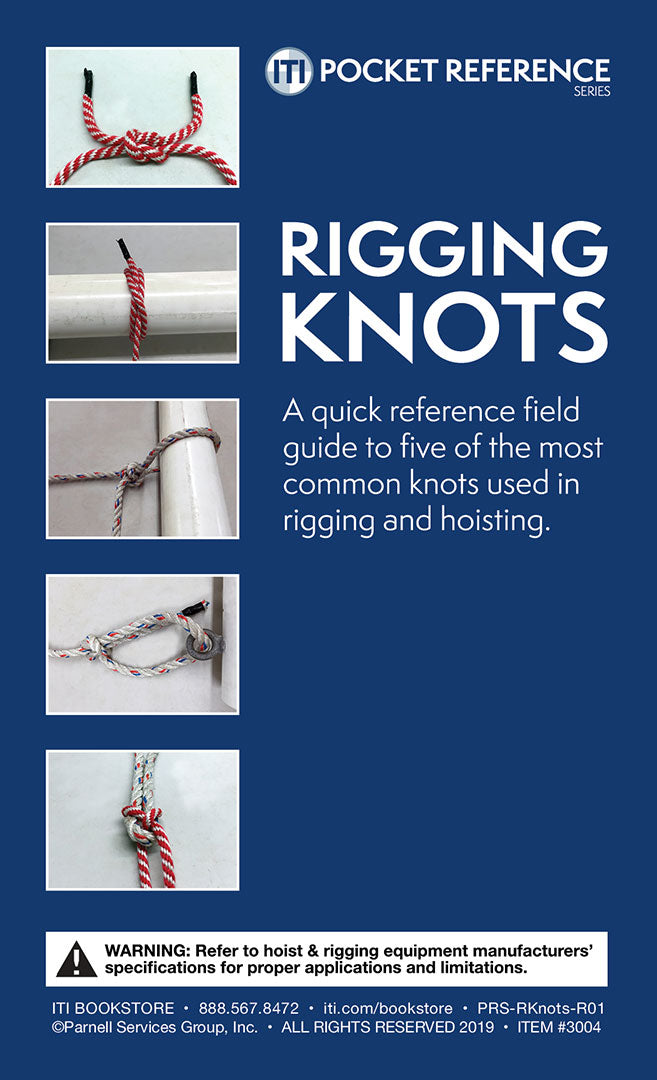
Some questions may present diagrams that require you to identify specific knots or determine their proper use. Be prepared to recognize common rigging knots like the figure eight, bowline, or round turn and two half hitches.
- Identify the correct knot used in this diagram:
The exam will also cover proper use of these knots to secure loads on a crane. You need to understand how different factors, such as load weight and boom height, affect knot performance.
Frequently Tested Concepts: Top Knots and Hitches for Crane Rigging
Here are some frequently tested concepts you should review:
- Rigging knots (figure eight, bowline, round turn and two half hitches)
- Knot selection criteria (load weight, boom height, swing radius)
- Load line calculations
- OSHA regulations for crane rigging (29 CFR 1926.1431)
Example Exam-Style Questions with Explanations
Question 1: A crane operator is using a wire rope to lift a load at 40 feet on a 50-ton capacity boom. If the load weight is 45,000 pounds and the wire rope has a breaking strength of 100,000 pounds, what's the minimum number of safety factors required?
Answer: Calculate the minimum number of safety factors using OSHA guidelines (29 CFR 1926.1431):
Curry Recommendation:Get ready for your NCCCO certification exam with practice questions from CCO Exam Prep.
CCO Exam Prep offers over 515 practice questions covering rigging knots and hitches. With a money-back guarantee, you can be confident in your preparation. For just $149.95, take the first step towards passing your NCCCO certification exam with flying colors!
Real-World Application and Expert Tips
When it comes to load rigging on a crane job site, you can't afford to get lazy with your knots. A single misstep in the rigging process can lead to costly delays or even worse – a lost life.
- As an experienced operator, I've seen my fair share of rookie mistakes when it comes to load rigging. One common error is using too much wire rope for the load.
- Not only does this increase wear and tear on your equipment, but it also puts unnecessary stress on the crane's structure. Remember, a 50-ton capacity at 40 feet isn't just about numbers – it's about maintaining optimal swing radius.
A good rule of thumb is to use between 10% to 20% more wire rope than you think you need for the job. This allows for adjustments during setup and ensures a smooth, stable load line. Now, let's talk about some expert tips from yours truly:
Pro Tip #1: Inspect Your Knots Regularly
I always make it a point to inspect my knots every 100 feet or so, depending on the load size and crane capacity.
- Step 1: Check for loose ends
- Step 2: Verify proper knot type
- Step 3: Measure wire rope slack
In a day-in-the-life scenario, let's say you're working on a 100-ton crane job with a swing radius of 60 feet. You've just finished setting up the load line and are about to secure it in place when your spotter comes over with some bad news:
"Hey, we got a problem here," they say. "The wire rope's starting to show signs of wear – one of those little plastic covers is missing from the hook end."
Pro Tip #2: Know Your Load Chart Like the Back of Your Hand
I always make sure my load chart is readable and up-to-date before a job starts. This means knowing exactly what weight our crane can safely lift, how far we need to swing it, and at what speed.
Pro Tip #3: Practice Makes Perfect (and So Do Your Knots)
I like to practice my knots in downtime – whether that's between shifts or during a break. The key is to make sure you can tie them correctly under pressure, with the crane swinging and loads shifting all around you.
Key Takeaways
load rigging on a crane job site requires attention to detail, practice, and expert knowledge. Remember to inspect your knots regularly, know your load chart inside out, and always keep a level head when things get hairy.
- Tie 10% more wire rope than you think you need
- Inspect knots every 100 feet or so
- PRACTICE your knots in downtime
Want to master the art of load rigging and pass that crane certification exam with flying colors? Start your free practice test at CCO Exam Prep today! With their expert resources, you'll be rigging like a pro in no time – or get back out on the job site with confidence.
- Get 500+ dollars off our premium prep package
- Pass your exam with 100% guarantee
Don't wait – get started today and show the world what you're made of!
Core Principles and Fundamentals

You're familiar with the feeling of being on a jobsite, where every second counts and one misstep can mean disaster. Rigging knots and hitches are an integral part of your daily operations, but do you know what's really going on beneath the surface? Understanding these fundamental concepts will help you become a better rigger, more confident in your abilities.
The Physics of Knots
Let's dive into the physics behind knots. A knot is essentially a loop that can be tied or made to hold something in place. The way it interacts with its surroundings determines whether it'll hold up under tension or not. Think about it: when you tie a knot, you're creating an equilibrium between the force applied and the resistance offered by the material.
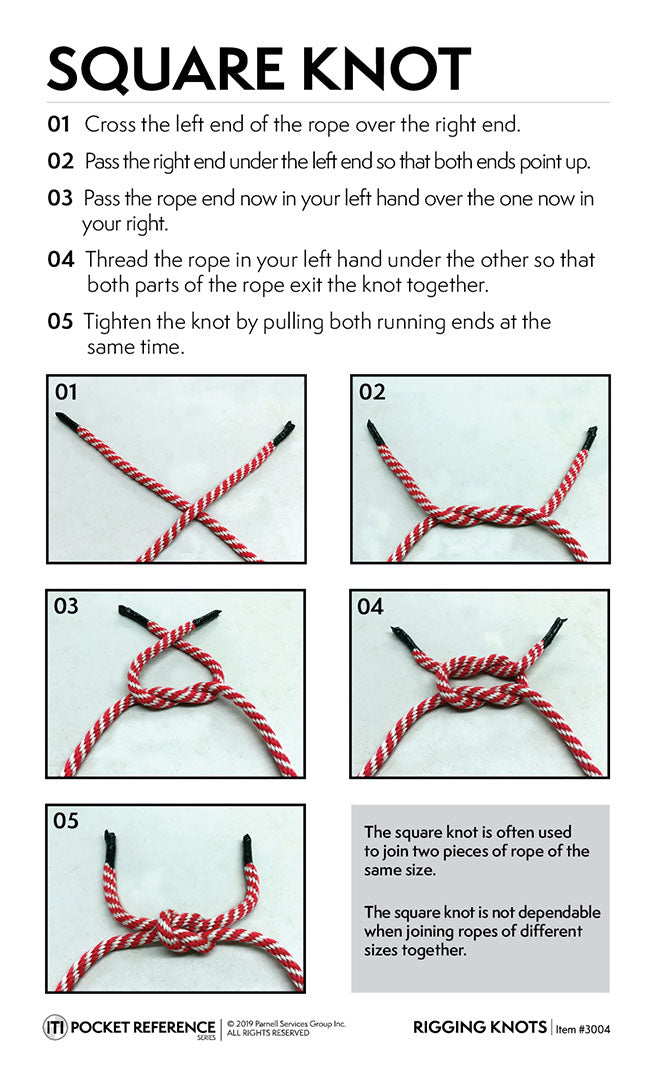
For instance, imagine you have two ropes of different thicknesses, 1/2 inch and 3/4 inch. If you were to tie a square knot (Reef Knot) with these lengths together, which one would hold better? The 3/4-inch rope would provide more resistance due to its larger diameter, ensuring the load is distributed evenly across both ropes.
This concept applies to all types of knots: Bowlines, Sheet Bend, Clove Hitch - each has a unique interaction with forces and materials. When selecting a knot for your rigging task, it's crucial to understand which rope material will best withstand tension and what type of load you're dealing with (static vs dynamic). Remember, the knot is only as strong as its weakest point.
Key Principles of Rigging
Rigging involves setting up a system to lift or move heavy loads safely. This includes establishing a proper boom angle and swing radius for stability, ensuring a sufficient distance between equipment (like outriggers) for added safety zone, verifying the weight capacity of your crane's load line, and choosing suitable knots that can withstand loads without failure.
OSHA Standard 29 CFR 1926.1400(1)(ii) states that "each crane operator must ensure the crane is positioned to avoid hazards." Don't forget about critical factors like maintaining an adequate distance from overhead obstacles (at least four times boom length), clearing nearby structures and personnel, monitoring load lines for damage or signs of wear-out.
Understanding Load Lines
A load line refers to the relationship between a crane's capacity rating and its intended lifting height. This value depends on both factors: how much weight does your crane support at maximum lift height versus reduced heights (typically 1/4, or one-quarter of total capacity). Always consult original equipment manufacturer documentation for accurate figures.
For example, if you have a 50-ton crane with its rated capacity being '40 feet.' The load line indicates that the crane can only support up to half that weight at every other foot. You may find in your inspection reports an OSHA report stating a particular crane (or similar) has an actual maximum lift height of around twenty-five feet due to safety limitations.
Common Knots for Rigging
We've talked about the physics and principles behind knots, but now it's time to explore some common ones used in rigging. These include:
When choosing a specific knot type remember its strengths (like the Bowline's adjustment capabilities) against weaknesses. Practice using these knots so they become second nature to you during rigging operations - this ensures efficiency without errors under pressure of any situation on site!
Final Considerations
You now understand some fundamental concepts necessary for effective and safe use in your daily work as a crane operator or rigger. Never overlook the importance of safety protocols, load calculations, boom positioning & material inspection - all these will help avoid serious incidents that result from negligence and miscalculations.
Step-by-Step Implementation Guide
Rigging knots and hitches are a crucial component of load rigging on cranes. Understanding the proper use and safety protocols for these essential components can help prevent accidents and ensure a successful project outcome.
Refer to ASME B30.5-2017 Section 3.4 for specific knot dimensions and tolerances.


Ready to Pass Your NCCCO Exam?
Join thousands of crane operators who passed their certification using CCO Exam Prep's comprehensive practice platform.
Start Your Free Practice Test